A portable power station is a big rechargeable battery with built-in outlets. It can keep a fridge, lights, a router or a CPAP machine running during an outage, power tools on a job site, or a campsite with no hookups. Unlike a gas generator it runs silently, makes no fumes and is safe to use indoors, which is why so many households now keep one ready for storm season.
This guide covers the best portable power stations from Jackery, FOSSiBOT, BLUETTI and GEYOTO, all built on long-life LiFePO4 batteries: an expandable 1 kWh all-rounder, a value 1 kWh pick, a 2 kWh unit for full-day outages, a 5 kWh, 240 V system for whole-home backup, a rugged job site model, a 5.5 lb camping unit, a quiet 1 kWh unit for the bedroom and a compact 3 kWh unit for RVs. More brands will be added to this page as we review them.
For each power station you get capacity, output, charging speed, weight and one honest drawback. After the reviews, the buying guide explains how to size a power station, what the specs mean and when a gas generator still makes more sense.
Our Quick Picks
Best Overall Portable Power Station
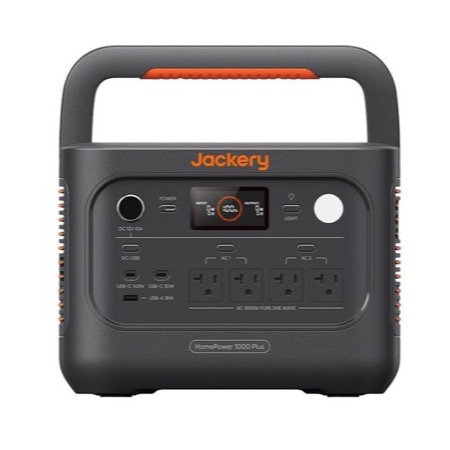
Jackery HomePower 1000 Plus v2
1,024 Wh (to 11 kWh) · 1,800 W (3,600 W) · 6,000 cycles
Check Price at JackeryRead the reviewBest Value 1 kWh Power Station
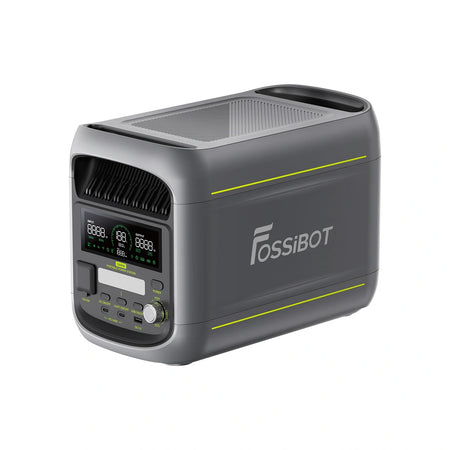
FOSSiBOT F1800 Portable Power Station
1,024 Wh · 1,800 W · 4,000 cycles to 80%
Check Price at FOSSiBOTRead the reviewBest for Full-Day Home Outages
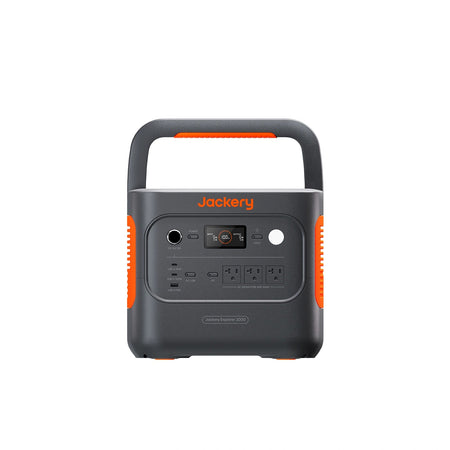
Jackery Explorer 2000 v2
2,042 Wh · 2,200 W (4,000 W+) · LiFePO4
Check Price at JackeryRead the reviewBest for Whole-Home Backup and 240V: FOSSiBOT F7200 Portable Power StationBest Rugged Power Station for Job Sites: Jackery Explorer 1500 UltraBest Ultralight Power Station for Camping: Jackery Explorer 300DBest Quiet 1 kWh Unit for Bedrooms and CPAP Backup: BLUETTI Elite 100 V2 Portable Power StationBest Compact 3 kWh Unit for RVs: BLUETTI Elite 300 Portable Power StationBest Value Pick with 13 Outputs: GEYOTO N1000 Portable Power StationBest Budget Pick for Camping and Travel: GEYOTO N300 Portable Power StationCompare all 10 side by side
Best Portable Power Stations: Full Reviews
At a glance
- Capacity
- 1,024 Wh (to 11 kWh)
- AC output (peak)
- 1,800 W (3,600 W)
- Battery life
- 6,000 cycles
- AC recharge
- About 50 min
1. Jackery HomePower 1000 Plus v2: Best Overall Portable Power Station
If you want one power station that can ride out an evening outage, run corded tools on a job site and still go camping on the weekend, the HomePower 1000 Plus v2 is the one to start with. It pairs a 1,024 Wh LiFePO4 battery with 1,800 W of continuous output and a 3,600 W peak, enough for a refrigerator, a microwave, a circular saw or an angle grinder.
What sets it apart is room to grow. Jackery’s Battery Pack 2000 Plus v2 adds 2 kWh each, and with up to five of them the system reaches about 11 kWh, enough to keep a fridge, lights and phones going for several days. It switches to battery in under 10 ms if the grid drops, so a router or desktop stays on, and it recharges from the wall at 1,600 W in about 50 minutes. Solar input tops out at 400 W, and you can also charge it from a gas generator, a car or a DC-DC alternator charger.
The battery is rated for 6,000 cycles, which Jackery puts at up to 16 years of use. At 23.8 lb and 12.4 x 7.9 x 9.2 inches it carries in one hand. A silent mode keeps it under 30 dB, 3 kV surge protection helps protect appliances, and the Jackery app adds Storm Alert charging, time-of-use charging and load prioritization. Jackery offers a 5-year warranty when you buy direct.
Key Features
- 1,024 Wh LiFePO4, expandable to about 11 kWh
- 1,800 W continuous, 3,600 W peak, pure sine wave
- Under 10 ms UPS switchover
- 1,600 W AC charging, about 50 minutes to full
- Up to 400 W solar, plus car, generator and alternator charging
- 6,000 cycles, 140 W USB-C, under 30 dB in silent mode
- 23.8 lb, 12.4 x 7.9 x 9.2 in, 5-year warranty direct
What We Like
- Expands from 1 kWh to about 11 kWh
- Runs most corded power tools
- Very fast wall charging
- True UPS speed
- Light for its output
What We Don’t Like
- It only expands with the Battery Pack 2000 Plus v2, so older Jackery battery packs will not work with it.
Overall
The best all-round portable power station here: enough output for tools and kitchen appliances, a battery built to last, fast charging and a clear upgrade path for longer outages. Choose the F1800 if you want similar capacity for less and do not need expansion.
VEVOR Black Friday
Up to 50% off, plus an extra 8% with code VVOTD (Nov 19 to Nov 30).
At a glance
- Capacity
- 1,024 Wh
- AC output (peak)
- 1,800 W
- Battery life
- 4,000 cycles to 80%
- AC recharge
- About 68 min
2. FOSSiBOT F1800 Portable Power Station: Best Value 1 kWh Power Station
The FOSSiBOT F1800 gives you the same 1,024 Wh of capacity and 1,800 W of output as the Jackery above, built on EVE LiFePO4 cells that FOSSiBOT rates for 4,000 cycles to 80 percent capacity. It is a solid choice for a home backup kit, an RV or a job site trailer, and it comes with a 5-year full-device warranty.
Charging is quick. A 1,200 W AC input takes it from empty to full in about 68 minutes, and up to 500 W of solar can fill it in about 2 hours of good sun. You can also combine AC and solar, or charge it from a gas generator. Seven output ports cover AC, USB and DC devices, and a UPS function switches over in under 10 ms.
ECO mode prioritizes solar and battery power and includes an automatic bypass, and an output memory feature restores the outlets you had on after a low-battery shutdown, which helps if it runs a freezer or a sump pump overnight. The FOSSiBOT app shows battery status and lets you change settings from your phone. It weighs 24.8 lb.
Key Features
- 1,024 Wh EVE LiFePO4, 4,000 cycles to 80%
- 1,800 W AC output
- 0 to 100% in about 68 minutes on 1,200 W AC
- Up to 500 W solar, about 2 hours to full
- AC + solar and generator charging
- 7 output ports, under 10 ms UPS, ECO mode, output memory
- 24.8 lb, app control, 5-year warranty
What We Like
- Big capacity and output for the size
- Fast AC and solar charging
- Output memory after shutdown
- 5-year warranty
- App monitoring
What We Don’t Like
- At 24.8 lb it is a pound heavier than the HomePower 1000 Plus v2, which has the same capacity.
Overall
A strong value pick for anyone who wants a 1 kWh LiFePO4 station with plenty of output and a long warranty. If you think you will want more battery later, the expandable HomePower 1000 Plus v2 is the better long-term buy.
At a glance
- Capacity
- 2,042 Wh
- AC output (peak)
- 2,200 W (4,000 W+)
- Battery life
- LiFePO4
- AC recharge
- About 1.7 h
3. Jackery Explorer 2000 v2: Best for Full-Day Home Outages
For outages that last a full day, 1 kWh disappears quickly once a fridge, a router and a few lights are running. The Explorer 2000 v2 doubles that with 2,042 Wh of LiFePO4 capacity and 2,200 W of continuous output, with a surge of at least 4,000 W, enough to start a fridge, run a microwave or a coffee maker, and keep the essentials on through a long day.
Jackery’s fast AC charging restores it from empty to full in about 1.7 hours, so you can top it up quickly if a storm is on the way. The switchover to battery takes under 20 ms, fast enough to keep a router, a laptop or a NAS running. Jackery also says it holds about 95 percent of its charge after 12 months in storage, which matters for a unit that may sit in a closet until the next outage.
At about 39.5 lb it is still movable by one person, and at under 30 dB it is quiet enough to run indoors next to a bed. It is a good match for apartments, condos and homes that need serious backup without a whole-home system.
Key Features
- 2,042 Wh LiFePO4
- 2,200 W continuous, 4,000 W surge or more
- About 1.7 hours to full on AC
- Under 20 ms switchover
- Holds about 95% charge after 12 months in storage
- Under 30 dB
- About 39.5 lb
What We Like
- Full-day capacity for essentials
- Fast recharge before a storm
- Holds charge in storage
- Quiet indoors
- Still portable
What We Don’t Like
- Its 20 ms switchover is slower than the 10 ms units here, so a sensitive desktop PC may still restart when the power cuts out.
Overall
The best pick for longer home outages if you want a single box with no expansion packs. For job sites or bigger loads, look at the 1500 Ultra or the F7200.
At a glance
- Capacity
- 5,222 Wh (to 15.66 kWh)
- AC output (peak)
- 7,200 W (9,000 W), 120/240 V
- Battery life
- 6,500+ cycles
- AC recharge
- About 2.2 h
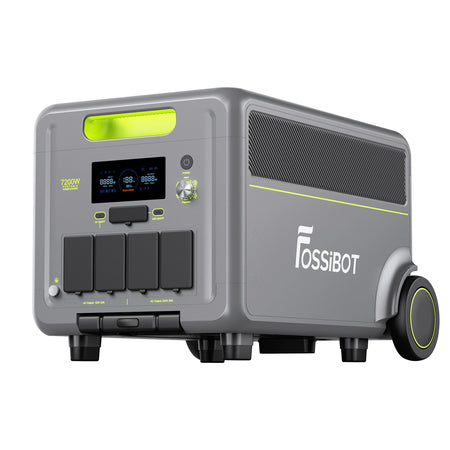
4. FOSSiBOT F7200 Portable Power Station: Best for Whole-Home Backup and 240V
Most portable power stations only provide 120 V, which rules out well pumps, electric dryers and many central air handlers. The FOSSiBOT F7200 is built for those jobs. It delivers up to 7,200 W of continuous output with a 9,000 W surge, and it supplies both 120 V and 240 V, so it can back up heavy household circuits when connected properly through a transfer switch installed by an electrician.
The base unit holds 5,222 Wh of EVE LiFePO4 capacity, rated for more than 6,500 cycles, and FOSSiBOT’s FB5222 expansion batteries take it up to 15.66 kWh. Recharging is fast for a battery this size: up to 3,000 W of AC input fills it in about 2.2 hours, and it accepts up to 3,700 W of solar, enough for a full charge in about 1.5 hours of ideal sun. You can also charge it from a car or combine AC and solar.
A UPS mode switches over in under 10 ms, carrying up to 1,800 W at 120 V or 7,200 W at 240 V, and the BrightEMS app handles monitoring and settings. It rolls on wheels and comes with a 5-year warranty. If you buy it with solar panels, FOSSiBOT ships the panels separately.
Key Features
- 5,222 Wh EVE LiFePO4, 6,500+ cycles
- Expandable to 15.66 kWh with FB5222 batteries
- 7,200 W continuous, 9,000 W surge, 120 V and 240 V
- 3,000 W AC input, about 2.2 hours to full
- Up to 3,700 W solar input
- Under 10 ms UPS (1,800 W at 120 V, 7,200 W at 240 V)
- Wheels, BrightEMS app, 5-year warranty
What We Like
- 240 V output for heavy circuits
- Huge capacity that still expands
- Very high solar input
- Fast recharge for its size
- Long warranty
What We Don’t Like
- It is a large wheeled unit meant to stay in a garage or utility room, and connecting it to home circuits needs a proper transfer switch.
Overall
The pick for whole-home backup, well pumps and other 240 V loads, or for anyone who wants a silent alternative to a big gas generator. For most households that only need essentials, a 1 to 2 kWh unit is plenty.
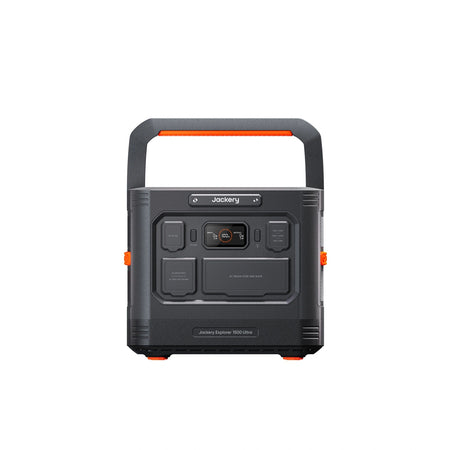
At a glance
- Capacity
- 1,536 Wh
- AC output (peak)
- 1,800 W (3,600 W for 5 s)
- Battery life
- LiFePO4
- AC recharge
- About 1.5 h
5. Jackery Explorer 1500 Ultra: Best Rugged Power Station for Job Sites
Job sites are hard on electronics: dust, rain, drops and freezing mornings. The Explorer 1500 Ultra is Jackery’s rugged answer. It has IP65 protection against dust and water, 1 meter drop resistance and a titanium alloy cooling structure, and Jackery rates it to run from 5 F to 113 F.
Inside is a 1,536 Wh LiFePO4 battery with 1,800 W of continuous output. Jackery says it can hold a 3,600 W peak for 5 seconds and 2,000 W for up to 15 minutes, which helps with saws, compressors and pumps that pull hard when they start. It recharges from the wall in about 1.5 hours, from up to 800 W of solar in about 2.5 hours, or from a vehicle alternator in about 3 hours.
Covered ports, a protective screen, an anti-slip top and a removable metal base for cleaning round out a design meant for work trucks and campsites. Jackery backs it with a 5-year warranty (3 years standard plus a 2-year extension) when you buy direct.
Key Features
- 1,536 Wh LiFePO4
- 1,800 W continuous, 3,600 W peak for 5 s, 2,000 W for 15 min
- IP65 dust and water resistance, 1 m drop resistance
- Runs from 5 F to 113 F
- About 1.5 hours to full on AC
- Up to 800 W solar, alternator charging
- 5-year warranty direct
What We Like
- Built for rain, dust and drops
- Strong peak power for tool starts
- Works in winter cold
- Fast AC and solar charging
- Easy to clean
What We Don’t Like
- The sealed port covers have to be opened every time you plug something in, a small hassle for quick home use.
Overall
The best power station for job sites, overlanding and winter use. For home backup in a dry room, the HomePower 1000 Plus v2 or Explorer 2000 v2 is a better value.
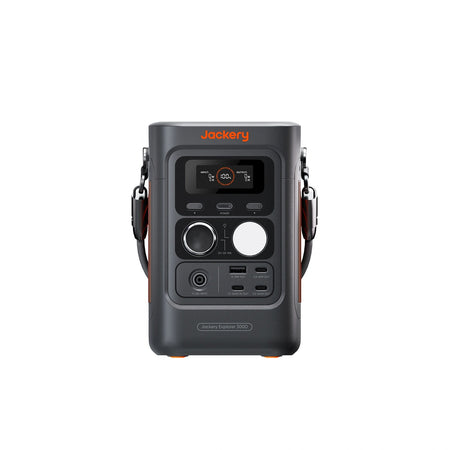
At a glance
- Capacity
- 288 Wh
- AC output (peak)
- No AC; 300 W DC/USB
- Battery life
- 4,000+ cycles to 70%
- AC recharge
- 80% in about 1 h
6. Jackery Explorer 300D: Best Ultralight Power Station for Camping
Not every trip needs a 25 lb box. The Explorer 300D weighs just 5.5 lb and slips into a backpack, yet its 288 Wh LiFePO4 battery is enough for about 11 phone charges or roughly 10 hours of Starlink Mini, according to Jackery.
Its handle doubles as a woven USB-C cable that delivers up to 140 W, so you can charge a laptop without packing extra cords. Five ports in total, including USB-C, USB-A and a 12 V DC port, share up to 300 W of output, and it reaches 80 percent in about an hour. A built-in LED light helps around camp at night.
The battery is rated for 4,000+ cycles to 70 percent capacity, which Jackery puts at about 10 years of daily use, and the warranty is 3 plus 2 years when bought direct. It is a good fit for campers, CPAP users on short trips, remote workers and anyone who wants emergency phone and laptop power.
Key Features
- 288 Wh LiFePO4, 4,000+ cycles to 70%
- Up to 300 W total DC and USB output
- Built-in 140 W USB-C cable in the handle
- 5 ports: USB-C, USB-A and 12 V DC
- 80% in about 1 hour
- Built-in LED light
- 5.5 lb, 3+2 year warranty direct
What We Like
- Very light and compact
- Laptop charging with no extra cables
- Long battery life
- Handy LED light
- Fast recharge
What We Don’t Like
- It has no AC outlet, so anything with a wall plug needs a USB-C or 12 V version or a separate inverter.
Overall
The best ultralight power station for camping, travel and grab-and-go emergencies. For anything with a standard plug, step up to a unit with AC outlets.
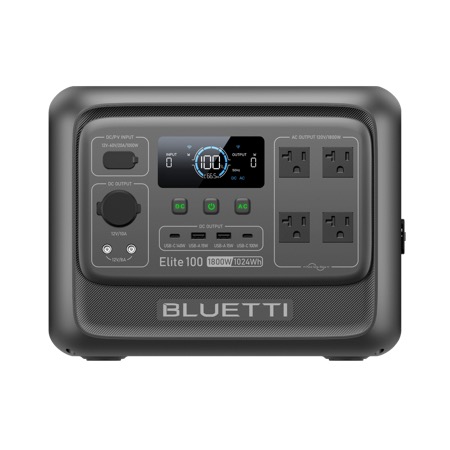
At a glance
- Capacity
- 1,024 Wh
- AC output (peak)
- 1,800 W (2,700 W lifting)
- Battery life
- 4,000+ cycles to 80%
- AC recharge
- 80% in about 45 min
7. BLUETTI Elite 100 V2 Portable Power Station: Best Quiet 1 kWh Unit for Bedrooms and CPAP Backup
A power station that sits next to the bed or in a home office has to be quiet, and many are not: cooling fans kick in under load and hum all night. BLUETTI rates the Elite 100 V2 at about 30 dB under loads up to 600 W, close to a whisper, which makes it one of the easiest 1 kWh units to live with indoors.
Inside are 1,024 Wh of LiFePO4 cells rated for more than 4,000 cycles to 80 percent capacity. It delivers 1,800 W of continuous output, with a 2,700 W lifting mode for simple heating loads, across 11 ports. If the grid drops, it switches to battery in 10 ms or less, fast enough for a CPAP machine, a router or a desktop computer to keep running.
Recharging is quick: up to 1,200 W from the wall brings it to 80 percent in about 45 minutes, and it accepts up to 1,000 W of solar, enough for a full charge in about 70 minutes of strong sun. It weighs about 25 lb and measures 12.6 x 8.5 x 9.8 inches, with a handle that folds away, and the BLUETTI app shows battery level and lets you change charging speed.
Key Features
- 1,024 Wh LiFePO4, 4,000+ cycles to 80%
- 1,800 W continuous, 2,700 W lifting mode
- 11 output ports
- 10 ms UPS switchover
- 80% in about 45 min from the wall
- Up to 1,000 W solar input
- About 25 lb, 12.6 x 8.5 x 9.8 in
What We Like
- About 30 dB under 600 W loads
- Fast UPS for CPAP and routers
- Very fast solar charging for its size
- Compact and easy to carry
- App control
What We Don’t Like
- It cannot add expansion batteries, so 1,024 Wh is all you get.
Overall
The best quiet 1 kWh power station for bedrooms, home offices and CPAP backup during short outages.
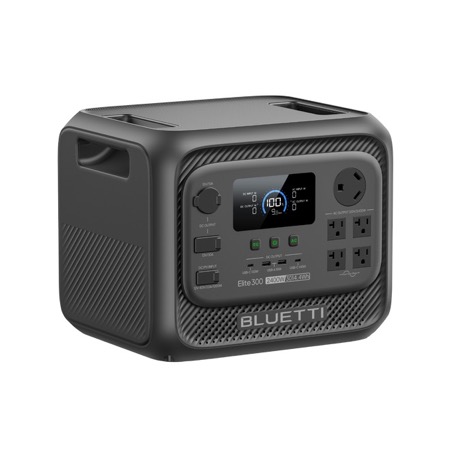
At a glance
- Capacity
- 3,014 Wh
- AC output (peak)
- 2,400 W (4,800 W lifting)
- Battery life
- 6,000+ cycles
- AC recharge
- Not listed
8. BLUETTI Elite 300 Portable Power Station: Best Compact 3 kWh Unit for RVs
Most 3 kWh power stations are big enough to need two people or a cart. The Elite 300 packs 3,014 Wh into a body about the size of a typical 2 kWh unit, which makes it the one to look at if you want a full day of power for a camper, a cabin or a long outage without a huge box.
It is built for RVs. A TT-30 outlet plugs straight into a travel trailer’s shore power cord, and a 12 V, 30 A DC output runs a 12 V fridge, water pump, lights and fans. AC output is 2,400 W continuous, with a 4,800 W lifting mode for resistive loads like kettles and space heaters, enough for a microwave or a coffee maker.
At home, it switches to battery in 10 ms, so a router, security system or aquarium pump keeps running through an outage. The LiFePO4 battery is rated for more than 6,000 cycles. It recharges from the wall, solar panels or your vehicle, and BLUETTI’s optional Charger 2 pulls up to 1,200 W from the alternator and solar together while you drive. The BLUETTI app adds remote control and device schedules.
Key Features
- 3,014 Wh LiFePO4, 6,000+ cycles
- 2,400 W continuous, 4,800 W lifting mode
- TT-30 RV outlet
- 12 V / 30 A DC output
- 10 ms UPS switchover
- Wall, solar and vehicle charging
- Bluetooth and Wi-Fi app control
What We Like
- 3 kWh in a compact body
- Plugs straight into an RV
- Big enough for a full day of essentials
- Fast UPS backup
- Long battery life rating
What We Don’t Like
- It runs at 120 V only, so it cannot power 240 V well pumps or dryers.
Overall
The best compact 3 kWh power station for RVs, campers and cabins, and a strong home backup for essentials.
At a glance
- Capacity
- 1,024 Wh
- AC output (peak)
- 1,800 W (3,000 W)
- Battery life
- 4,000 cycles
- AC recharge
- 1,500 W input
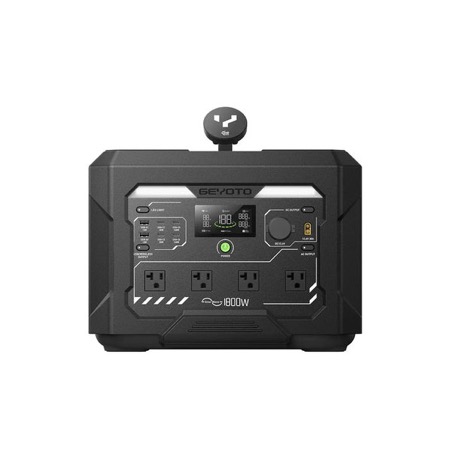
9. GEYOTO N1000 Portable Power Station: Best Value Pick with 13 Outputs
The GEYOTO N1000 lands in the same 1 kWh class as the Jackery HomePower 1000 Plus v2 and the FOSSiBOT F1800, and it brings a lot of outputs for its size. It pairs a 1,024 Wh LiFePO4 battery with a 1,800 W pure sine wave inverter that surges to 3,000 W, enough for a refrigerator, a microwave or a small power tool on its own.
Thirteen outputs is the headline. You get four AC outlets, four USB-C ports that share up to 140 W, two USB-A ports, a 12V car socket, an XT60 port rated at 378 W for 12V gear such as fridges and pumps, and a 25 W wireless pad on top for a phone. It recharges from the wall at up to 1,500 W, takes up to 800 W of solar, and has a UPS mode so a router or desktop can stay on when the grid drops.
GEYOTO rates the cells for 4,000 cycles and offers up to a 5-year warranty. At 25.6 lb and 13.8 x 18.8 x 10.2 inches it is a two-hand carry, about the same as other 1 kWh units. It is a newer brand than Jackery, so it has less of a track record, and it cannot add expansion batteries the way the HomePower 1000 Plus v2 can.
Key Features
- 1,024 Wh LiFePO4 battery, 4,000 cycles
- 1,800 W pure sine wave AC, 3,000 W peak
- 4 AC outlets, 4 USB-C (140 W max), 2 USB-A
- XT60 (378 W) and 12V car outputs, 25 W wireless pad
- 1,500 W AC charging, up to 800 W solar
- UPS backup mode, Wi-Fi and Bluetooth app
- 25.6 lb, 13.8 x 18.8 x 10.2 in
What We Like
- 13 outputs cover a whole desk or campsite
- Fast 1,500 W wall charging
- Up to 800 W of solar input
- LiFePO4 cells rated for 4,000 cycles
- Wireless charging pad for phones
What We Don’t Like
- No expansion battery option, so 1,024 Wh is the ceiling.
Overall
A strong value pick for 1 kWh of backup power, especially if you want lots of USB-C, a wireless pad and fast solar charging in one box.
At a glance
- Capacity
- 256 Wh
- AC output (peak)
- 300 W (500 W)
- Battery life
- 4,000 cycles
- AC recharge
- About 1.5 h
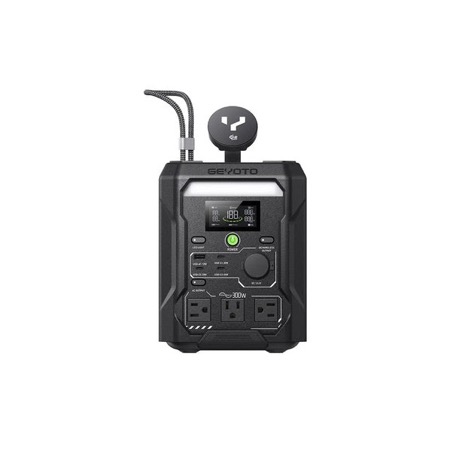
10. GEYOTO N300 Portable Power Station: Best Budget Pick for Camping and Travel
Not everyone needs a 25 lb box. The GEYOTO N300 is a 7.7 lb, 256 Wh LiFePO4 power station that keeps phones, laptops, cameras, lights and a CPAP for a night or two going, and it slips into a car trunk or a tent corner without a fight.
Its 300 W pure sine wave inverter (500 W peak) runs three AC outlets, alongside three USB-C ports that share up to 65 W, one USB-A port, a 12V car socket and a 25 W wireless pad. GEYOTO says it recharges from 0 to 100% in about 1.5 hours at up to 250 W from the wall, and it takes up to 140 W of solar. A shoulder strap and a built-in LED light come with it, and the app works over Wi-Fi or Bluetooth.
Like the bigger N1000, the cells are rated for 4,000 cycles, so it will outlast many cheaper lithium-ion units. The limit is the inverter: 300 W will not run a coffee maker, a hair dryer or a space heater. Treat it as a charging hub and light-duty backup, and pair it with the Jackery Explorer 300D or a bigger station if you need more.
Key Features
- 256 Wh LiFePO4 battery, 4,000 cycles
- 300 W pure sine wave AC, 500 W peak
- 3 AC outlets, 3 USB-C (65 W max), 1 USB-A
- 12V car output and 25 W wireless pad
- 0 to 100% in about 1.5 h at 250 W
- Up to 140 W solar input
- 7.7 lb with shoulder strap and LED light
What We Like
- Light and easy to carry
- Fast full recharge from the wall
- Long-life LiFePO4 cells
- Wireless pad and plenty of USB-C
- Runs from solar on longer trips
What We Don’t Like
- The 300 W inverter is too small for heating or cooking appliances.
Overall
The budget pick for camping, travel and keeping small electronics charged during short outages.
Side-by-Side Comparison
| Power station | Capacity | AC output (peak) | Battery life | AC recharge | Weight | Best for | Price |
|---|---|---|---|---|---|---|---|
| 1. Jackery HomePower 1000 Plus v2 | 1,024 Wh (to 11 kWh) | 1,800 W (3,600 W) | 6,000 cycles | About 50 min | 23.8 lb | All-round use | Check price |
| 2. FOSSiBOT F1800 | 1,024 Wh | 1,800 W | 4,000 cycles to 80% | About 68 min | 24.8 lb | Value 1 kWh | Check price |
| 3. Jackery Explorer 2000 v2 | 2,042 Wh | 2,200 W (4,000 W+) | LiFePO4 | About 1.7 h | About 39.5 lb | Full-day outages | Check price |
| 4. FOSSiBOT F7200 | 5,222 Wh (to 15.66 kWh) | 7,200 W (9,000 W), 120/240 V | 6,500+ cycles | About 2.2 h | Not stated (wheeled) | Whole-home backup | Check price |
| 5. Jackery Explorer 1500 Ultra | 1,536 Wh | 1,800 W (3,600 W for 5 s) | LiFePO4 | About 1.5 h | Not stated | Job sites, bad weather | Check price |
| 6. Jackery Explorer 300D | 288 Wh | No AC; 300 W DC/USB | 4,000+ cycles to 70% | 80% in about 1 h | 5.5 lb | Camping, travel | Check price |
| 7. BLUETTI Elite 100 V2 | 1,024 Wh | 1,800 W (2,700 W lifting) | 4,000+ cycles to 80% | 80% in about 45 min | About 25 lb | Bedrooms, CPAP, home office | Check price |
| 8. BLUETTI Elite 300 | 3,014 Wh | 2,400 W (4,800 W lifting) | 6,000+ cycles | Not listed | Not listed | RVs, cabins, long outages | Check price |
| 9. GEYOTO N1000 | 1,024 Wh | 1,800 W (3,000 W) | 4,000 cycles | 1,500 W input | 25.6 lb | Value home backup | Check price |
| 10. GEYOTO N300 | 256 Wh | 300 W (500 W) | 4,000 cycles | About 1.5 h | 7.7 lb | Budget camping, travel | Check price |
Specs come from Jackery, FOSSiBOT, BLUETTI and GEYOTO. Real runtime depends on the load, temperature and inverter efficiency; plan on getting about 80 to 90 percent of the rated capacity out of any power station.
How to Choose a Portable Power Station
Output: running watts and surge
Output in watts decides what you can plug in. Add up the running watts of everything you want to use at once and leave some headroom. Motors in fridges, pumps, compressors and saws pull two to three times their running power for a moment when they start, so check the surge or peak figure too. A 1,800 W unit with a 3,600 W peak covers most kitchen appliances and handheld tools; well pumps, electric dryers and central air need a 240 V unit like the F7200.
Capacity: watt-hours
Capacity in watt-hours decides how long it runs. A rough runtime estimate is capacity times 0.85, divided by the watts your devices draw. A 1,024 Wh unit running a 100 W load lasts about 8 to 9 hours; the same unit running a 600 W space heater lasts well under 2 hours. That is why heating and cooling are the hardest loads for any battery.
Battery chemistry
Every power station in this guide uses LiFePO4 (lithium iron phosphate) cells. They last thousands of charge cycles, handle heat better and are more stable than the older NMC lithium cells used in many early power stations. For a unit you expect to keep for many years, LiFePO4 is the right choice.
Recharging
Fast AC charging matters most before a storm, when you may have only an hour or two of warning. Solar input matters for long outages and off-grid use; more watts of solar input means faster refills. Car charging and alternator charging help on road trips and in work trucks. Check which options each unit supports and whether it can combine them. A folding panel is the simplest way to add solar: the Renogy 220W portable solar suitcase sets up in about a minute on its own kickstands, weighs about 15.9 lb and has a 5-year warranty, and it suits stations that accept at least 25 V of solar input.
UPS switchover
A UPS or pass-through function keeps devices plugged in while the station charges from the wall, then switches to battery when the power cuts out. Under 10 ms is fast enough for most desktop PCs; 20 ms is fine for routers, laptops and appliances.
Expandability and weight
Expandable systems let you start small and add battery packs later. If you are buying for home backup, that upgrade path can save you from replacing the whole unit. Weight matters if you will carry it often: under 25 lb is easy for most people, 40 lb is a two-hand lift, and anything bigger usually comes on wheels.
How Big a Power Station Do You Need?
- Phones, laptops, CPAP and lights: 300 Wh to 600 Wh covers a weekend of camping or a night without power.
- A refrigerator plus essentials for an evening: about 1,000 Wh. A modern fridge averages around 100 to 150 W over a day as its compressor cycles.
- A full day of essentials: 2,000 Wh or an expandable 1 kWh unit with an extra battery.
- Several days, a well pump or 240 V circuits: a 5 kWh class system like the F7200, ideally with solar panels to recharge each day.
- Power tools on a job site: focus on output and surge first; 1,800 W with a strong peak runs most circular saws, grinders and drills.
Power Station or Gas Generator?
A gas generator still delivers more energy per dollar for long outages, and you can refuel it from a gas can. But it is loud, needs maintenance and must run outdoors, well away from windows, because of carbon monoxide. A power station is silent, safe indoors, starts instantly and needs almost no upkeep. Many households use both: a power station for indoor essentials and quiet nights, and a generator for long, heavy loads. Our guide to portable generators covers the gas side, and our Jackery power stations compared breaks down the Jackery lineup in more detail.
Safe Use and Storage
- Store it partly charged. Around 60 to 80 percent is ideal for long storage; top it up every few months, or before storm season.
- Keep it ventilated. Do not cover the fans or run it in a closed cabinet while it is working hard.
- Use heavy cords for big loads. A properly rated heavy duty extension cord keeps voltage drop and heat down when the station sits away from the appliance.
- Protect electronics. Good surge protectors add a layer of protection for TVs and computers.
- Never backfeed a house through an outlet. Connecting a power station to home wiring needs a transfer switch or an approved inlet kit installed by an electrician.
A Scenario Worth Knowing About
Picture a family that buys a 1 kWh power station before winter and plans to use it for the fridge, lights and phones during an outage. When an ice storm knocks out power for a day, they also plug in a 1,500 W space heater to keep the living room warm. The station handles the load without complaint, but it is empty in well under an hour, and the fridge goes warm overnight.
Nothing was wrong with the power station; resistive heat is simply the hardest load a battery can carry. Keeping the heater off the battery, or choosing a much larger expandable system with solar, would have kept the fridge cold all night. Before an outage, list what you actually need to run, add up the watts, and size the power station for that list. For light and warmth, battery lanterns from our guide to rechargeable camping lights and warm layers go a lot further than an electric heater.
Frequently Asked Questions
What size portable power station do I need for a refrigerator?
Plan on at least 1,000 Wh with 1,500 W or more of output and strong surge capacity. That keeps a typical fridge running through an evening and overnight. For a full day or longer, choose 2,000 Wh or an expandable unit.
Can a portable power station run a house?
A standard 120 V unit can run selected essentials, but not a whole house. A large 240 V system like the FOSSiBOT F7200, connected through a transfer switch, can back up important household circuits including well pumps. Have an electrician handle the connection.
How long does a portable power station last?
LiFePO4 power stations are typically rated for 4,000 to 6,500 charge cycles before capacity drops noticeably, which works out to many years of regular use. How long a single charge lasts depends on the load: divide the watt-hours by the watts you draw and allow for some losses.
Can I use a portable power station indoors?
Yes. Battery power stations produce no exhaust, so they are safe to use inside. Keep the vents clear and do not cover the unit while it is running.
Can I charge a power station with solar panels?
All six here accept solar charging. The more watts of solar input a unit supports, the faster it refills, and pairing panels with a power station is what makes multi-day outages manageable.
Is a portable power station better than a gas generator?
For indoor use, quiet operation and short outages, yes. For long outages with heavy loads, a gas generator is still cheaper to run. Many people keep both.
The Bottom Line
For most people, the Jackery HomePower 1000 Plus v2 is the best portable power station here: 1,024 Wh, 1,800 W of output, 50 minute wall charging and room to grow to about 11 kWh. The FOSSiBOT F1800 offers the same capacity and output with a 5-year warranty and is the value pick, and the Explorer 2000 v2 doubles the battery for full-day outages.
For whole-home backup and 240 V circuits, the FOSSiBOT F7200 is in a class of its own. Job sites and winter trips call for the rugged Explorer 1500 Ultra, and the 5.5 lb Explorer 300D is the easy grab for camping and travel. For a quiet unit beside the bed, the BLUETTI Elite 100 V2 runs at about 30 dB, and the BLUETTI Elite 300 brings 3 kWh and a TT-30 outlet to RVs in a compact body. Whichever you choose, size it to the devices you really need to run, and keep it charged before storm season.