
A cheap e-bike can feel fine for the first few weeks. The problems show up later: spokes that loosen, brakes that fade, a rack that flexes under the weight of groceries, a battery that loses range after one season. A heavy duty electric bike is built for the long haul, with a stronger frame and wheels, hydraulic brakes, a high-torque motor and a payload rating high enough to carry you, your gear and your cargo every day without working at its limit.
This guide compares e-bikes rated for 400 to 440 pounds of total payload, which is one of the clearest signs of how robustly a bike is built, and explains which features matter most for durability and long-term use. If you are a heavier rider, see our guide on what to look for at 300, 350 and 400 lb.
Guide Navigation Table of Contents
Quick Comparison
| E-Bike | Max Payload | Motor | Torque | Battery | Tires | Best For |
|---|---|---|---|---|---|---|
| Heybike Ranger 3.0 Pro | 440 lb | 750W hub (1400W peak) | 80 Nm | 720Wh | 20″ x 4″ fat | Cargo, rough roads and folding |
| Heybike Mars 3.0 | 440 lb | 750W hub (1400W peak) | 95 Nm | 624Wh | 20″ x 4″ fat | Strong starts on a lighter folder |
| Heybike Hybrid | 440 lb | 750W hub | 75 Nm | 864Wh | 27.5″ x 2.4″ | Long daily commutes |
| Heybike Alpha | 400 lb | 500W mid-drive | 105 Nm | 680Wh | 26″ x 4″ fat | Hills and mixed terrain |
Best Heavy Duty Electric Bikes: Our Picks Reviewed
1. Heybike Ranger 3.0 Pro: Best Overall Heavy Duty E-Bike
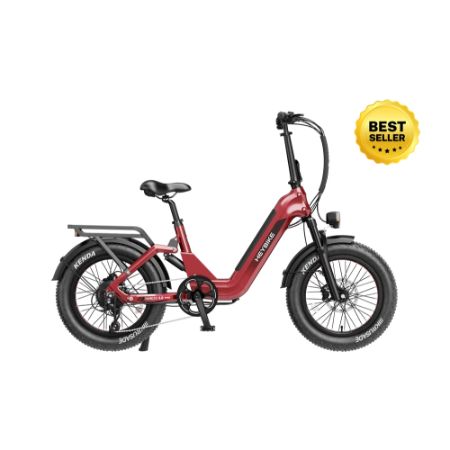
The Ranger 3.0 Pro packs the most heavy duty features into one bike. It carries a 440 lb maximum payload, the joint highest in Heybike’s current range, on a hydroformed 6061 aluminum frame, and its rear rack is rated for up to 100 lb, so it works as an everyday errand and cargo bike as well as a trail bike. Full suspension, with a 65mm hydraulic fork and an adjustable rear air shock, protects both you and the frame from years of potholes and rough paths.
A 750W rear hub motor peaks at 1400W with 80 Nm of torque, paired with a torque sensor for smooth pedal assist. The 720Wh removable battery is the largest of the folding models here, and the 20-inch, 4-inch Kenda fat tires have puncture protection. It folds for storage and transport, though at 75 lb it is the heaviest folder in this guide.
Key Features
- 440 lb maximum payload, rear rack rated for up to 100 lb
- 750W rear hub motor, 1400W peak, 80 Nm torque
- 720Wh removable battery
- Full suspension: 65mm hydraulic fork plus adjustable rear air shock
- Kenda 20″ x 4″ puncture-protected fat tires, folding hydroformed aluminum frame
- IPX5 water resistance, 28 mph top speed
What We Like
- Highest payload and rack rating combination in this guide
- Adjustable air shock suits different loads
- Biggest battery of the folding picks
What We Don’t Like
- 75 lb, heavy to lift even when folded
- 20-inch wheels are less efficient than larger wheels for long road rides
Overall
If you want one e-bike that can carry real cargo, handle rough roads and still fold away, the Ranger 3.0 Pro is the most complete heavy duty pick here.
2. Heybike Mars 3.0: Best for Quick Starts and Climbing on a Folder
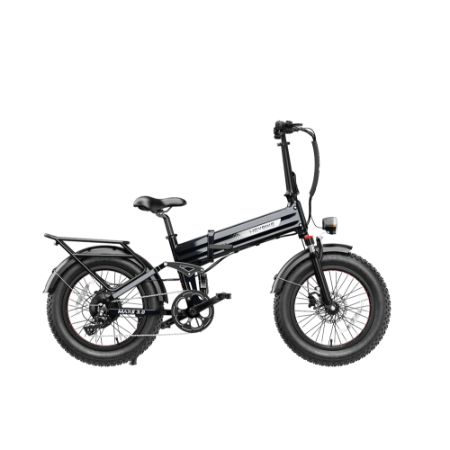
The Mars 3.0 combines a 440 lb payload rating with full suspension and the highest torque of the hub-motor bikes here, at 95 Nm, which helps with heavy loads from a standstill. A 65mm coil fork with hydraulic lockout and a Horst Link rear suspension soak up bumps, which protects both you and the frame from the constant impacts of rough roads over years of riding. The 20-inch, 4-inch fat tires add extra cushioning and grip.
The 750W hub motor peaks at 1400W with 95 Nm of torque for strong starts, and the 624Wh battery is rated for up to 65 miles. It folds for car trunks or apartments, though at about 70 lb it is still a heavy bike to lift.
Key Features
- 440 lb maximum payload, rear rack rated for up to 100 lb
- 750W rear hub motor, 1400W peak, 95 Nm torque
- 624Wh removable battery, up to 65 miles
- Full suspension: coil fork with lockout plus Horst Link rear
- 20″ x 4″ fat tires, folding frame
What We Like
- Full suspension for a smoother ride under heavy loads
- High torque for starts and hills
- Folds for storage and transport
What We Don’t Like
- Smaller battery than the Ranger 3.0 Pro and Hybrid
- About 70 lb, heavy to lift even when folded
Overall
Choose the Mars 3.0 if comfort on rough streets and trails matters most and you want a bike that folds away when you are done.
3. Heybike Hybrid: Best for Long Commutes
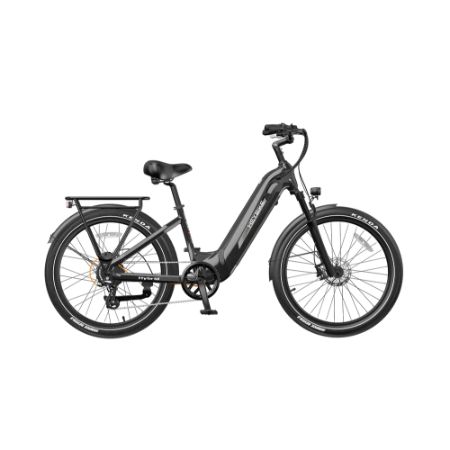
The Hybrid is a commuter-style e-bike with a 440 lb payload rating and the longest claimed range here, up to 100 miles from its 864Wh battery. Instead of fat tires, it rolls on 27.5-inch by 2.4-inch Kenda tires, which are more efficient on pavement and help that range. Heybike lists an upright riding position and a recommended rider height of 5’3″ to 6’2″.
A 750W hub motor provides 75 Nm of torque, a torque and cadence sensor makes pedal assist feel more natural, and Tektro hydraulic disc brakes provide confident stopping. The 100mm hydraulic front fork takes the edge off rough pavement.
Key Features
- 440 lb maximum payload, rear rack rated for 60 lb
- 750W hub motor, 75 Nm torque
- 864Wh UL 2271 certified battery, up to 100 miles
- Tektro hydraulic disc brakes, 100mm front fork
- 27.5″ x 2.4″ tires, torque and cadence sensing
What We Like
- Longest claimed range in this guide
- Efficient, quieter tires for commuting
- Natural-feeling pedal assist
What We Don’t Like
- Narrower tires offer less cushioning than fat tires
- Lowest torque of the four picks
Overall
The Hybrid is the pick for daily commuters who mostly ride on paved roads and want to go a long way between charges.
4. Heybike Alpha: Best for Hills and Mixed Terrain
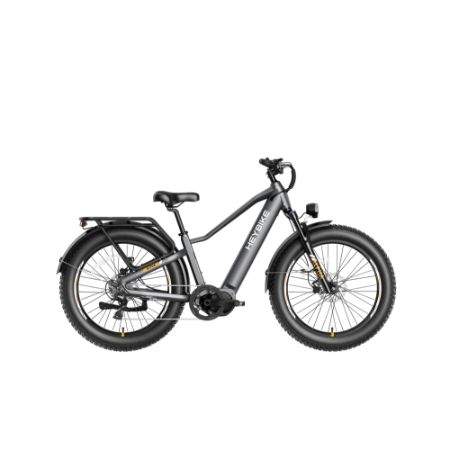
The Alpha is the only mid-drive bike in this guide, and that matters on steep hills and with heavy loads. A mid-drive motor works through the bike’s gears, so it can deliver strong climbing power without straining. The Alpha’s 500W Mivice mid-drive produces 105 Nm of torque, the highest figure here, and the 680Wh battery is rated for up to 60 miles.
It rides on 26-inch by 4-inch fat tires with puncture protection, has hydraulic disc brakes and a hydraulic front fork, and comes in both step-over and step-through frames. Heybike rates it for a combined rider and cargo weight of 400 lb.
Key Features
- 400 lb maximum payload (rider plus cargo)
- 500W Mivice mid-drive motor, 105 Nm torque
- 680Wh UL 2271 certified battery, up to 60 miles
- Hydraulic disc brakes, hydraulic front fork
- 26″ x 4″ puncture-protected fat tires, step-over or step-through frame
What We Like
- Highest torque here, ideal for climbing
- Large fat tires for stability and comfort
- Choice of frame style
What We Don’t Like
- Lower payload than the three 440 lb models
- About 72 lb
Overall
If your rides include steep hills or rough paths and your total weight sits comfortably under 400 lb, the Alpha’s mid-drive torque makes it the strongest climber here.
How to Choose a Heavy Duty Electric Bike
1. Payload Rating, With Headroom
The maximum payload is the total weight the bike is designed to carry: you, your clothes and helmet, a backpack, anything on the rack and any accessories. Add all of that up, then choose a bike with comfortable room to spare rather than one that only just covers it. Riding near the limit every day puts extra wear on wheels, spokes, brakes and the frame. Our guide to e-bike weight limits explains exactly what the rating includes.
2. Wheels and Tires
Wider tires spread the load and add cushioning, and fat tires around 4 inches wide are popular on heavy duty e-bikes for that reason. Smaller 20-inch wheels are naturally stronger and keep the bike lower and more stable. Larger 26 to 27.5-inch wheels roll more easily over cracks and are more efficient on long rides. Keep tires inflated to the recommended pressure for your load to reduce flats and rim damage. A small cordless pump makes that easy; see our comparison of Flextail tire pumps.
3. Brakes
More weight means more momentum, so stopping power matters. Hydraulic disc brakes need less hand force and stay more consistent than mechanical brakes, so check that any bike you are considering lists them in its specifications.
4. Motor Torque and Type
Torque, measured in Newton-meters (Nm), is what gets you moving from a stop and up hills. Heavier loads, whether that is the rider, cargo or a child seat, benefit from higher torque. Hub motors are simple and strong for flat and rolling terrain, while mid-drive motors use the bike’s gears and tend to climb steep hills more efficiently.
5. Frame Style and Fit
A step-through frame is easier to mount and dismount, especially with limited hip mobility. Check the recommended rider height range and make sure the saddle is wide and supportive. Many riders also upgrade to a suspension seatpost for long-term comfort.
6. Battery and Range
Claimed ranges are usually measured with a lighter rider in ideal conditions. A heavier total load uses more energy, so expect less range than the advertised maximum and choose a bigger battery if you ride long distances.
7. Speed Class and Local Rules
Several bikes here can reach 28 mph, which is the top assisted speed for Class 3 e-bikes in many US states. Rules on throttles, speed and where you can ride vary by state and city, so check local regulations before you buy.
8. Frame, Wheels and Build Quality
Durability starts with the parts that carry the load. Look for a welded aluminum frame from an established brand, a high payload rating, strong rims and thick spokes, and tires with puncture protection. A rear rack with its own published weight rating is a good sign the bike was designed for real cargo, not just added as an accessory.
9. Battery Safety, Warranty and Serviceability
A bike you plan to keep for years needs a battery you can trust and parts you can replace. Look for a battery certified to UL 2271, a removable pack that is easy to charge and swap, a clear warranty on the frame, motor and battery, and standard components such as brakes, tires and drivetrain parts that any bike shop can service.
If You Are a Heavier Rider
Heavy duty e-bikes are also the right starting point for heavier riders, because a high payload rating leaves room for your weight plus everyday gear. Add up your body weight, clothing, bag and any cargo, then choose a bike rated comfortably above that total. Fat tires, hydraulic brakes and high torque make the biggest difference to comfort and confidence. Our guides to e-bike weight limits and riding an e-bike at 300, 350 and 400 lb go into more detail.
A Scenario Worth Knowing About
Say you buy a budget e-bike rated for 265 lb to replace a second car. You weigh 190 lb, and most days you add a child seat with a 40 lb toddler, a bag of groceries and a lock. That puts you at or above the limit on almost every ride. The bike copes for a while, but within a year the rear wheel needs truing, the mechanical brakes have worn through two sets of pads, and the rack has started to crack. A heavy duty e-bike rated for 400 lb or more does the same job well inside its design limits, which is what lets it keep doing it for years.
FAQs
A heavy duty e-bike is built for frequent use and higher loads over many years. Look for a high payload rating, a strong frame and wheels, hydraulic disc brakes, a high-torque motor, a certified battery and standard parts that are easy to service.
Many standard e-bikes are rated for roughly 250 to 300 lb of total payload. Heavy duty models like the ones in this guide are rated for 400 to 440 lb. The rating includes the rider and everything they carry.
Usually, yes. Heybike, for example, states that its maximum payload is the combined weight of rider and cargo. Rear racks also have their own separate limit.
Choose a bike rated well above 400 lb so there is room for gear, such as a 440 lb model with hydraulic disc brakes, a strong motor and wide tires. The Heybike Ranger 3.0 Pro, Mars 3.0 and Hybrid are all rated for 440 lb.
Fat tires spread the load, cushion impacts and resist pinch flats, which helps wheels and riders on rough surfaces. Narrower tires roll more efficiently on pavement, so they suit long commutes on smooth roads.
With regular maintenance, a well-built e-bike frame can last many years. Batteries are the main wear item and usually need replacing after a few years of regular use, so a removable, replaceable battery matters for long-term ownership.
Conclusion
The best heavy duty electric bike is one built to carry more than you need, every day, for years. The Heybike Ranger 3.0 Pro is the most complete all-rounder for cargo and rough roads, the Mars 3.0 gives the strongest starts on a lighter folding frame, the Hybrid goes the farthest on paved commutes, and the Alpha is the best climber. Whichever you choose, look for a high payload rating, hydraulic brakes, a certified battery and parts you can service, and check local e-bike rules before you ride.